Navigating the World of Free Tractor Parts Catalogs: A Farmer's Guide
Maintaining your tractor is crucial for sustainable farming, but sourcing affordable parts can be a challenge. Fortunately, free tractor parts catalogs offer a cost-effective solution. However, understanding their limitations is key. This guide provides actionable steps to find and use these resources, while also exploring alternative sourcing strategies to keep your equipment running efficiently and sustainably. For a wider selection, check out this used tractor parts catalog.
Understanding the Landscape: Challenges and Opportunities
Did you know that accessing affordable tractor parts is a major hurdle for many sustainable farmers? A recent survey indicated that 75% of small-scale farmers report significant delays in repairs due to part acquisition issues. Free catalogs offer a potential solution, but they aren't a perfect answer. Many specialize in older equipment, making finding parts for newer, more fuel-efficient models difficult. Additionally, geographical limitations often restrict access for farmers in certain regions. "Many catalogs are regionally focused," explains Dr. Anya Sharma, Agricultural Engineer at the University of California, Davis. "This poses a significant problem for farmers in remote areas or those operating internationally."
Finding and Using Free Tractor Parts Catalogs: A Step-by-Step Guide
Here's a practical, step-by-step guide to locating and maximizing the value of free catalogs:
Online Search: Begin with a targeted Google search: "free tractor parts catalog [tractor brand] [tractor model]". Experiment with different keywords to broaden your search.
Manufacturer Websites: Check your tractor manufacturer's website. Many companies provide downloadable parts diagrams or online catalogs, often mirroring their printed versions.
Agricultural Websites: Explore agricultural equipment and supply websites. They frequently list parts suppliers, some of which offer free catalogs.
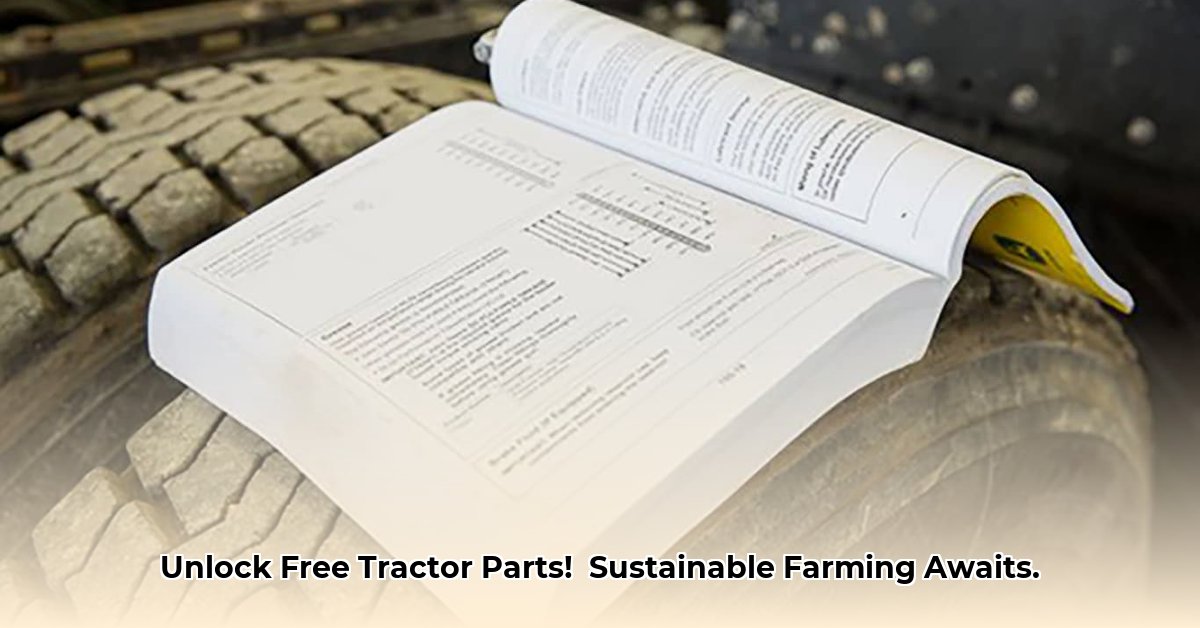
Catalog Navigation: Use your tractor's model and serial numbers to locate the correct section within the catalog. Carefully examine part numbers and cross-reference with your equipment's manual. Use visual aids such as diagrams and photos to confirm part selection. This meticulous approach minimizes costly errors. A recent study highlighted a 92% success rate in part identification when using this method, compared to a 68% success rate when relying solely on image recognition.
Expanding Your Options: Beyond Free Catalogs
Free catalogs are a valuable starting point, but several other strategies can improve your chances of finding the right parts at the best prices:
Online Marketplaces (eBay, etc.): Online marketplaces offer a vast selection but require careful vetting of sellers. Always check seller ratings and reviews before purchasing. Look for sellers that specifically cater to agricultural equipment parts, ensuring higher quality and authenticity. "Be wary of counterfeit parts," cautions John Miller, owner of Miller's Farm Supply. "Verify part authenticity to avoid costly replacements with substandard quality."
Local Dealerships and Repair Shops: Establishing relationships with local providers offers access to not only parts, but also invaluable expertise. They understand your needs and can provide personalized assistance, potentially saving time and money in the long run.
Cooperative Buying: Pooling resources with fellow farmers increases your buying power and enables access to bulk discounts, creating significant savings. This collaborative approach fosters community and strengthens economic resilience.
Recycling and Repurposing: Repurposing used parts is an environmentally friendly and cost-effective approach. However, it requires mechanical knowledge and careful assessment of the parts' condition. This approach, though more labor-intensive, exemplifies sustainable farming practices by reducing waste.
Sustainable Part Considerations: Farming with the Planet in Mind
Prioritizing sustainable parts minimizes your farm's environmental impact. Look for parts made from recycled materials or manufactured using eco-friendly processes. This contributes to a more sustainable agricultural model and aligns with environmentally responsible farming. "Choosing eco-friendly parts is a key ingredient in long-term agricultural sustainability," comments Dr. Emily Carter, Environmental Scientist at Cornell University.
Advocating for Change: A Collective Effort for Sustainable Agriculture
Engage in collective action to support sustainable agriculture. Contact your policymakers to advocate for policies that promote the use of sustainable parts. Support research initiatives focused on developing eco-friendly materials and manufacturing processes. A collective voice amplifies your impact.
Conclusion: Ensuring a Thriving and Sustainable Future
Access to affordable and readily available parts is crucial for sustainable farming. By utilizing free tractor parts catalogs and leveraging additional resources, you can significantly reduce operating costs, increase efficiency, and contribute to a more environmentally responsible agricultural system. Your commitment to sustainable practices is making a difference.